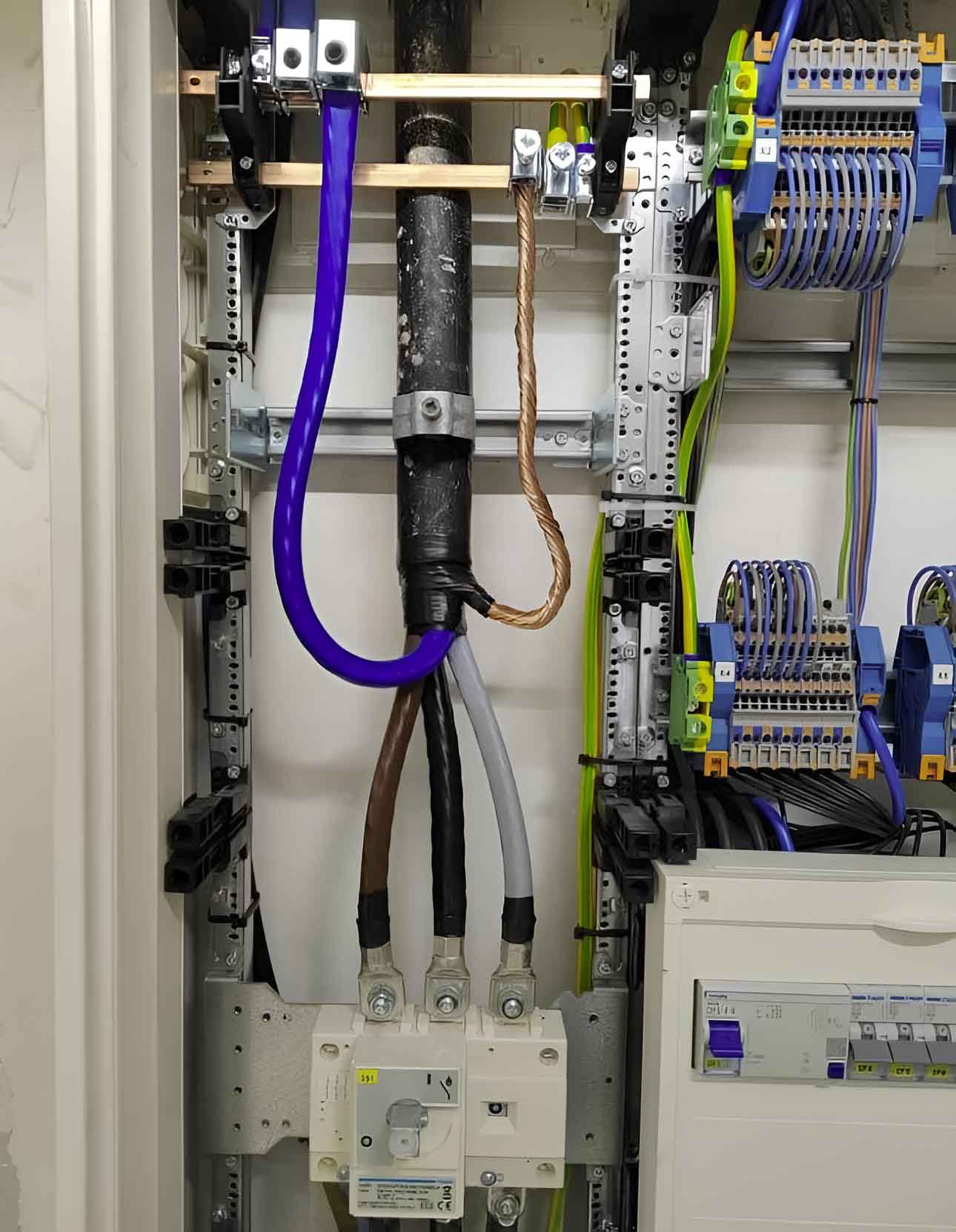
March 17, 2026
Industry & buildings: 4 decisive factors for safe and reliable electrical installations
Many electrical installations work — until they suddenly fail. The cause is often in areas that are overlooked during planning or maintenance. In this article, we show the 4 most important points that determine safety, stability and long-term reliability.

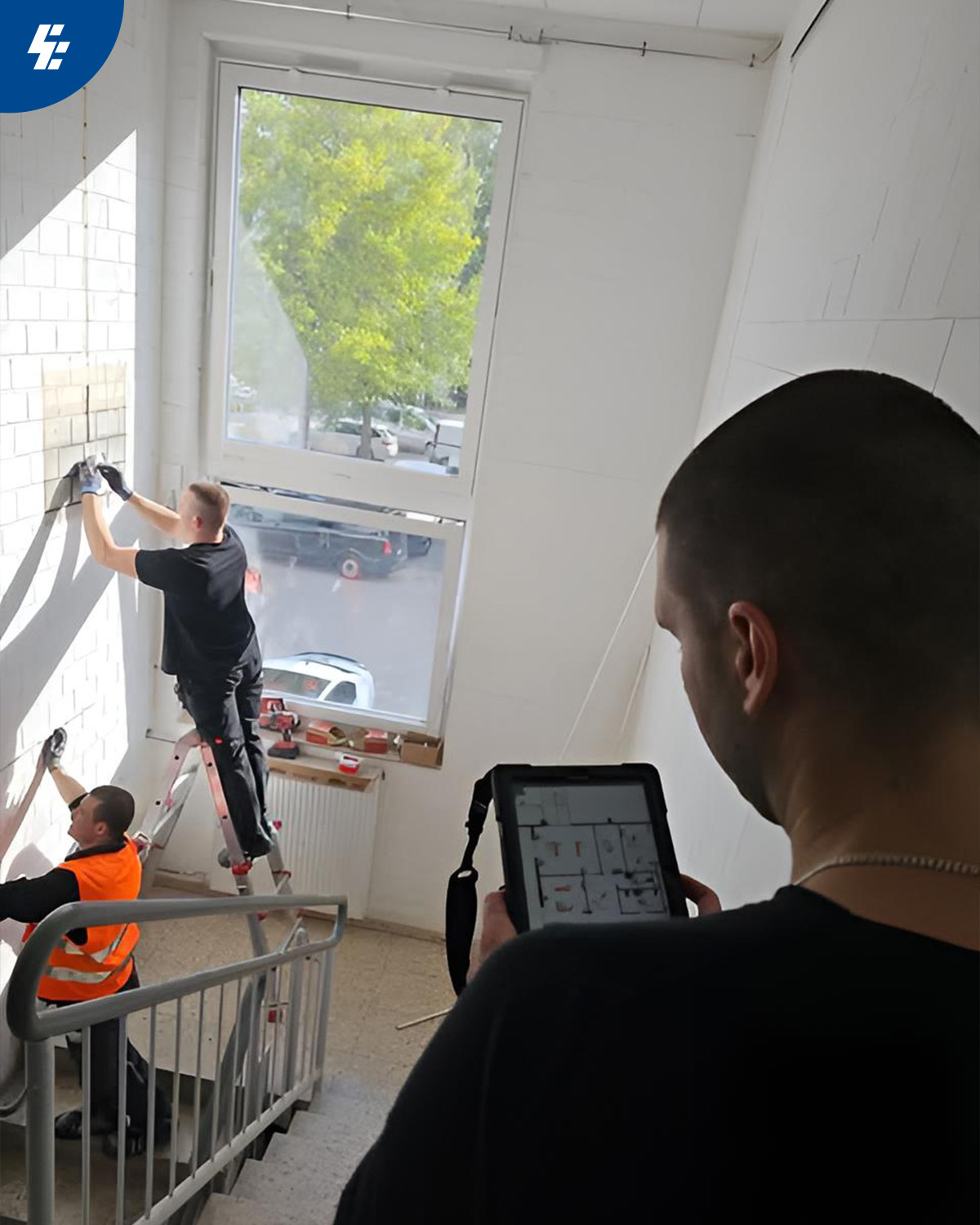
Safety in electrical installations
Safety in electrical installations depends not only on whether the work was “done cleanly.”
It is much more important whether the decisive points are covered — those that most frequently cause problems in practice and lead to faults, shutdowns or even dangerous situations over time.
4 areas that need to be reviewed regularly
Regardless of whether it's an industry, a building or a plant — these four points should never be skipped:
1. Grounding and potential equalization
(grounding/potential equalization)
Without proper grounding and effective potential equalization, the risk of electric shock and equipment damage increases significantly.
In practice, the following applies:
“Everything is running” is no proof that everything is okay.
This can only be confirmed by measurements, such as:
- protective conductor continuity
- Clear fault current paths
- verifiable measurement values
2. system overload
(real loads and peak loads)
If a system is not designed for real loads and peaks, typical problems arise:
- Heating of pipes
- Faster aging of insulation
- Increased risk of faults and failures
The following are particularly critical:
- Consumers added later
- High Starting Currents of Motors and Systems
- Voltage drop over long lines
- Lack of selectivity of protective organs
Important:
Overheating is often caused not only by “too much power,” but also by poor or loose connections.
3. Protection
(Fuses and protective devices)
Fuses and protective devices are the first line of defence—but only if they are correctly selected and set.
Common problems in practice:
- Incorrect characteristics
- Poorly Adjusted Circuit Breakers
- Lack of RCD/RCBO Protection (FI/FI/LS) where it would be necessary
The result:
The system reacts too late — or, in the worst case, not at all.
4. Regular maintenance and control
A system is not “done” when the installation is complete.
Influences such as:
- Dust
- Vibrations
- thermal expansion
- Moisture
- continuous load
These factors gradually change the state of the installation.
Regular, preventive inspections help to:
- to avoid failures
- to reduce costs
- to ensure operational safety in the long term
In addition — what is often overlooked
It is often the “little things” that prevent big problems:
- Thermography of Connections and Distributors
→ Identify hotspots before an outage occurs - Checking and redrawing connections
→ especially after the first operating phase under load - Measurement Reports and Maintenance Documentation
→ Because “was already ok” is not enough in an emergency
Conclusion
Safety is not a single point — but a system.
A system that consists of:
- proper planning
- Clean version
- regular inspection
Only when all three factors work together can an electrical installation remain safe and reliable in the long term.